01
Spring 2025, 2026
Generative Artificial Intelligence
Foundations and applications of generative models, up to what it takes to put one in front of real users without it falling over.
transformersfine-tuningretrievalevaluation
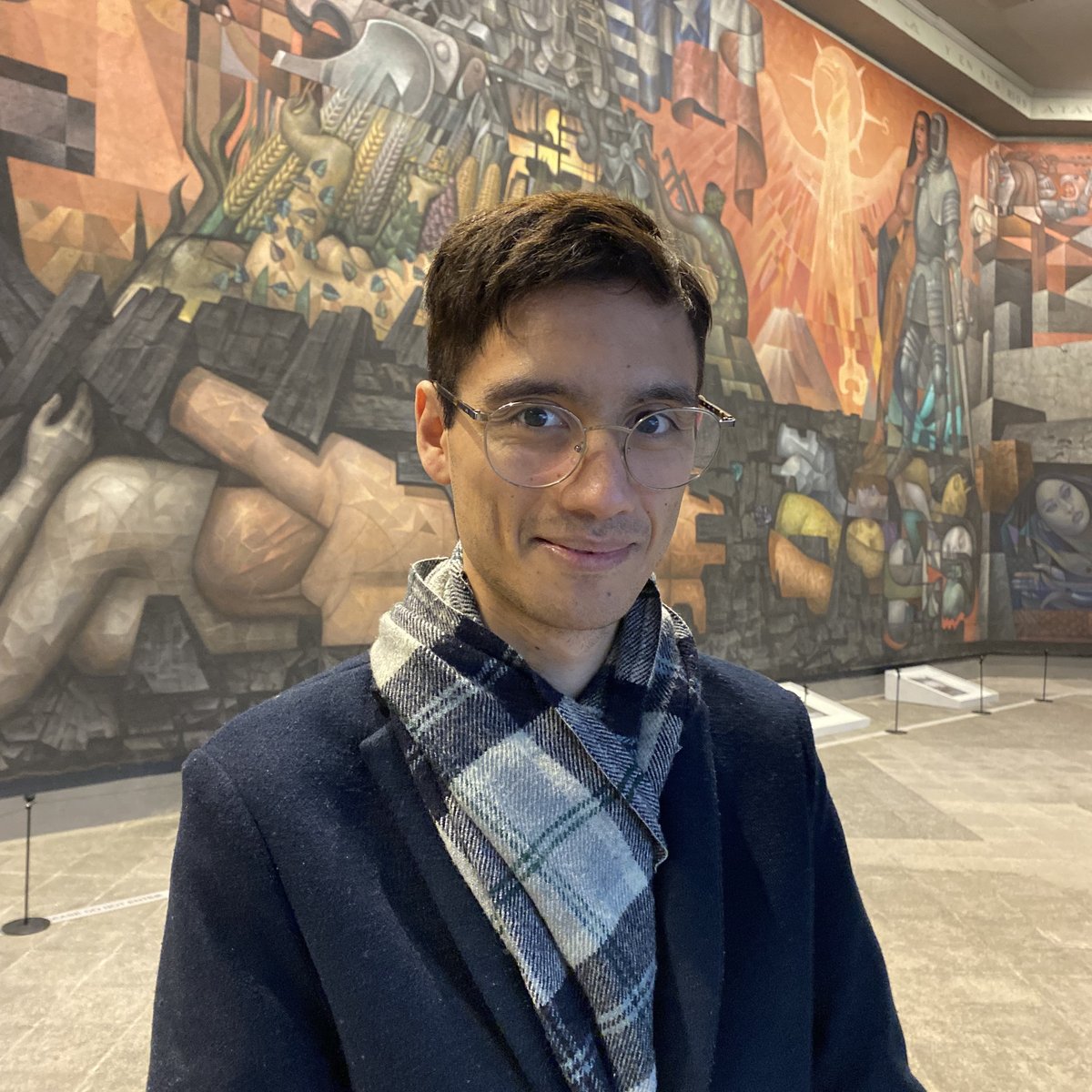
Every industrial revolution rearranged who works, who decides, and who is left behind. This one is already under way.
/ the last revolution was understood a century too late /
Artificial intelligence is the industrial revolution of our time. My work is measuring what it is doing to the society living through it.
Assistant Professor at the Faculty of Engineering, Universidad de Concepción, deputy director of its Center for Data and Artificial Intelligence (CDIA), and associate researcher at the Millennium Nucleus MEPOP.
Participation platforms, national data observatories and applied AI, from the Chilean social outbreak to the French presidential election. Several were built for a moment and have since been retired; they are listed here as milestones, not as live products.
AI agents can read any number of sources in seconds; what they cannot do alone is reconcile them. PuroChile is a set of rules no step may skip: every figure is rebuilt from its parts, checked against what the official source published, and the difference declared when it does not match. It is developed at the CDIA, and Chile's public data is its first test.
purochile.ai ↗Core contributor to Chile's flagship open-data observatory: economic, demographic and complexity profiles for every commune in the country, explored by millions of people.
ArchivedCitizens assembled their own government programme from more than a hundred candidate proposals. The participation data became the Nature Human Behaviour paper on political divisiveness.
ArchivedA pairwise-comparison platform that measured citizen priorities during the 2019 outbreak — disagreement quantified while it was still happening.
ArchivedBuilt with ARCA Latam and ABC Digital to find where residents of Asunción actually agree.
ArchivedA playful tool that taught more than twenty constitutional topics to the public during Chile's constitutional process.
ArchivedMapping the world's artificial-intelligence capabilities: who can build what, and where.
aiworld.eu ↗Seventeen opinion columns on artificial intelligence, work, democracy and education — the research, translated into the terms of a debate already under way.
most recent
A thesis with Pablo Catalán mapping the global cluster space from 1988 to 2014 — the first version of a question he is still asking. Research follows at the Center for Innovation Systems Studies (CIS2).
Chile's open-data observatory goes live: economic, demographic and complexity profiles for every commune. Other national data platforms follow, among them one for the Government of Estonia.
A platform that measured citizen priorities live during the social outbreak, and a research stay at Utrecht University.
Starts a doctorate at the Artificial and Natural Intelligence Toulouse Institute, on how AI can improve local and global governance: digital and augmented democracy.
Participation tools for Asunción, Paraguay, and for Chile's constitutional process.
A participation platform for the French election, and the science–technology cross-space study — now his most-cited paper.
Doctorate in Computer Science. The population-scale study of political divisiveness in France and Brazil appears in Nature Human Behaviour.
Joins Universidad de Concepción as Assistant Professor, teaching Data Visualization and Multivariate Statistics.
Designs and launches the Generative Artificial Intelligence course, joins the Millennium Nucleus MEPOP and receives a teaching distinction from the Faculty.
Becomes deputy director of the Center for Data and Artificial Intelligence at the Faculty of Engineering.
A protocol for AI agents to reconcile every figure with its official source, tested on Chile's public data.
Seventeen columns in El Mostrador on AI, work, education and democracy — research argued where it matters.
Artificial intelligence is not one subject but a set of pressures on things that already mattered: work, education, public argument, and who gets to build. These are the four I am pushing on.
What generative AI destroys, what it creates, and whether that difference shows up in Chilean data before it shows up in Chilean politics.
Every wave of automation produced the same argument. Reading the debates of the Industrial Revolution alongside today's is how you tell what is genuinely new from what only feels new.
What models prefer when they rank, decide and moralise — and how well any of us can still tell their writing from our own.
Multi-agent systems and small models putting advanced tools within reach of the firms and institutions that were never going to buy them.
I work AI-first. Artificial intelligence does not come in at the end to polish the prose; it is the team the research is done with. An orchestrator breaks the question down and specialised agents work it in parallel — they read, analyse, challenge and verify one another — until only what held up is left. It means working where knowledge is moving: with tools that did not exist two years ago, on questions nobody has closed yet.
Gather everything published on generative AI and employment in Chile since 2023.
41 sources read. Three employment series are comparable with each other.
Hypothesis: the occupations most exposed to AI are growing more slowly.
What about the business cycle? Test it against unexposed sectors before claiming it.
Two figures don't match their official source. Flagged, not corrected.
Draft ready: every claim with its source, every doubt in plain sight.
/ the judgement is still human; the scale no longer is /
A good part of the work is not code but conversation: sitting down with executive teams at Chilean companies and public institutions to work out what generative AI can actually do for them, what it cannot, and what it would cost to find out. These sessions run through the Faculty of Engineering and the CDIA.
/ the useful question is never whether it works, but where it pays /
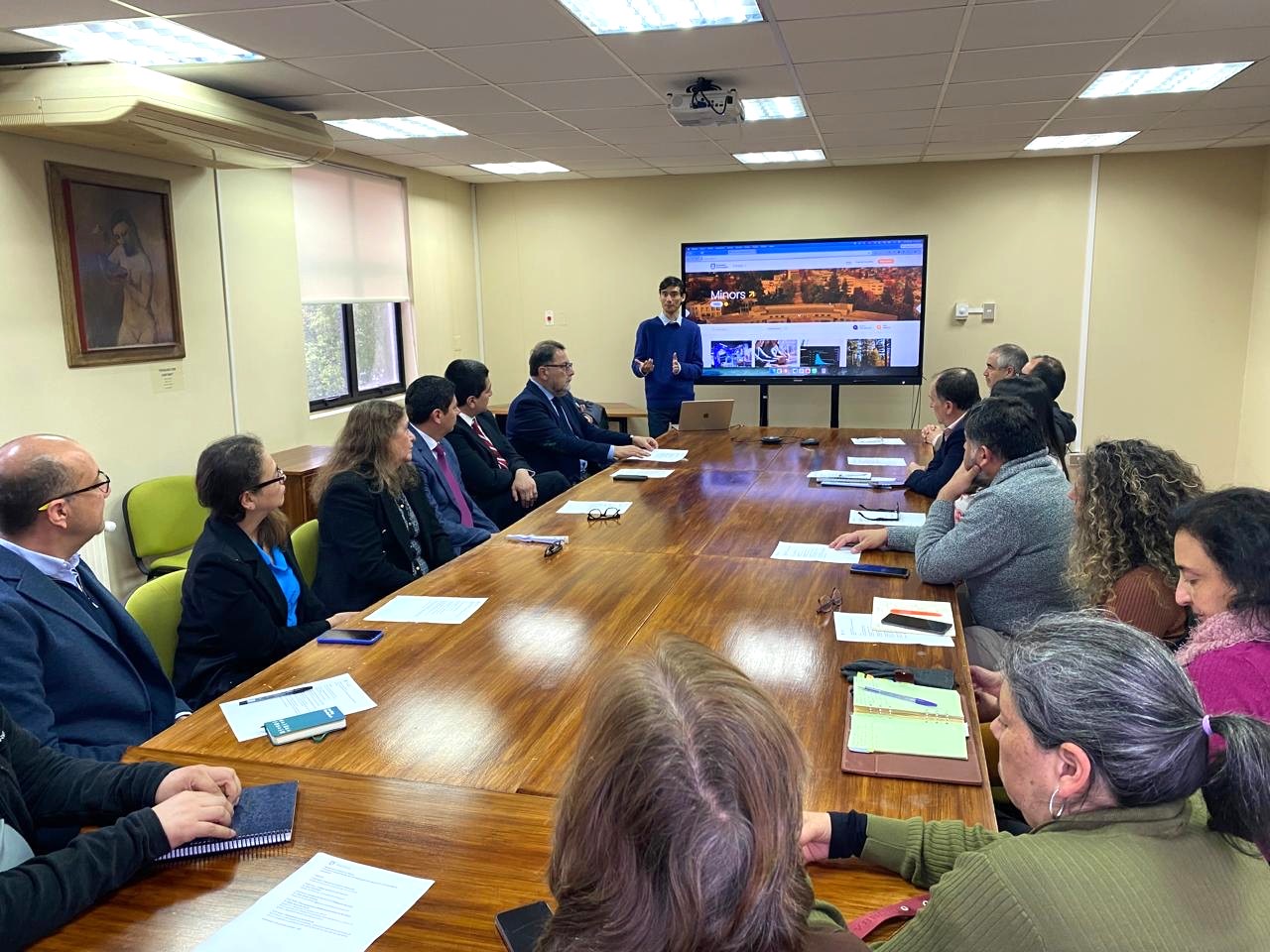
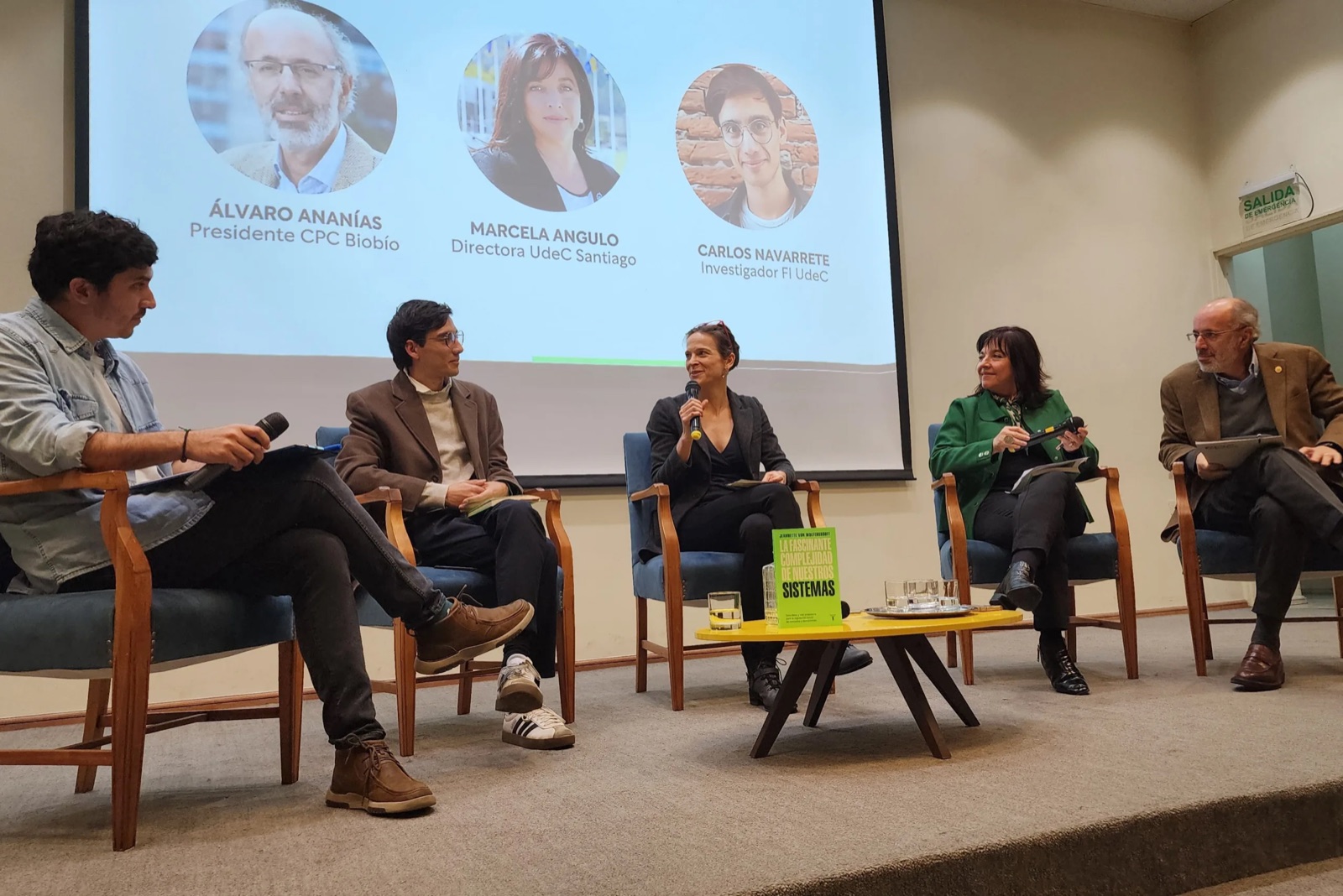
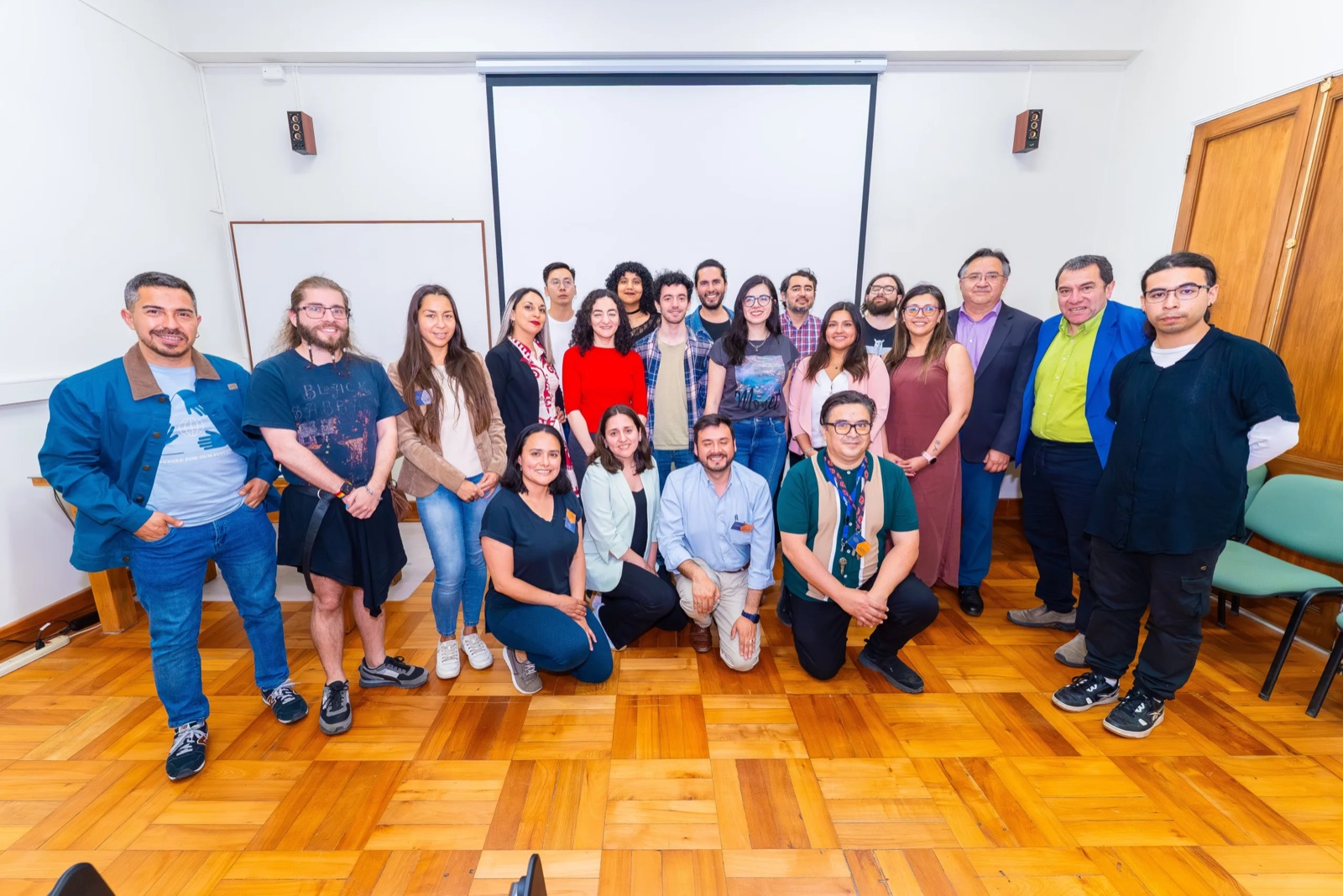
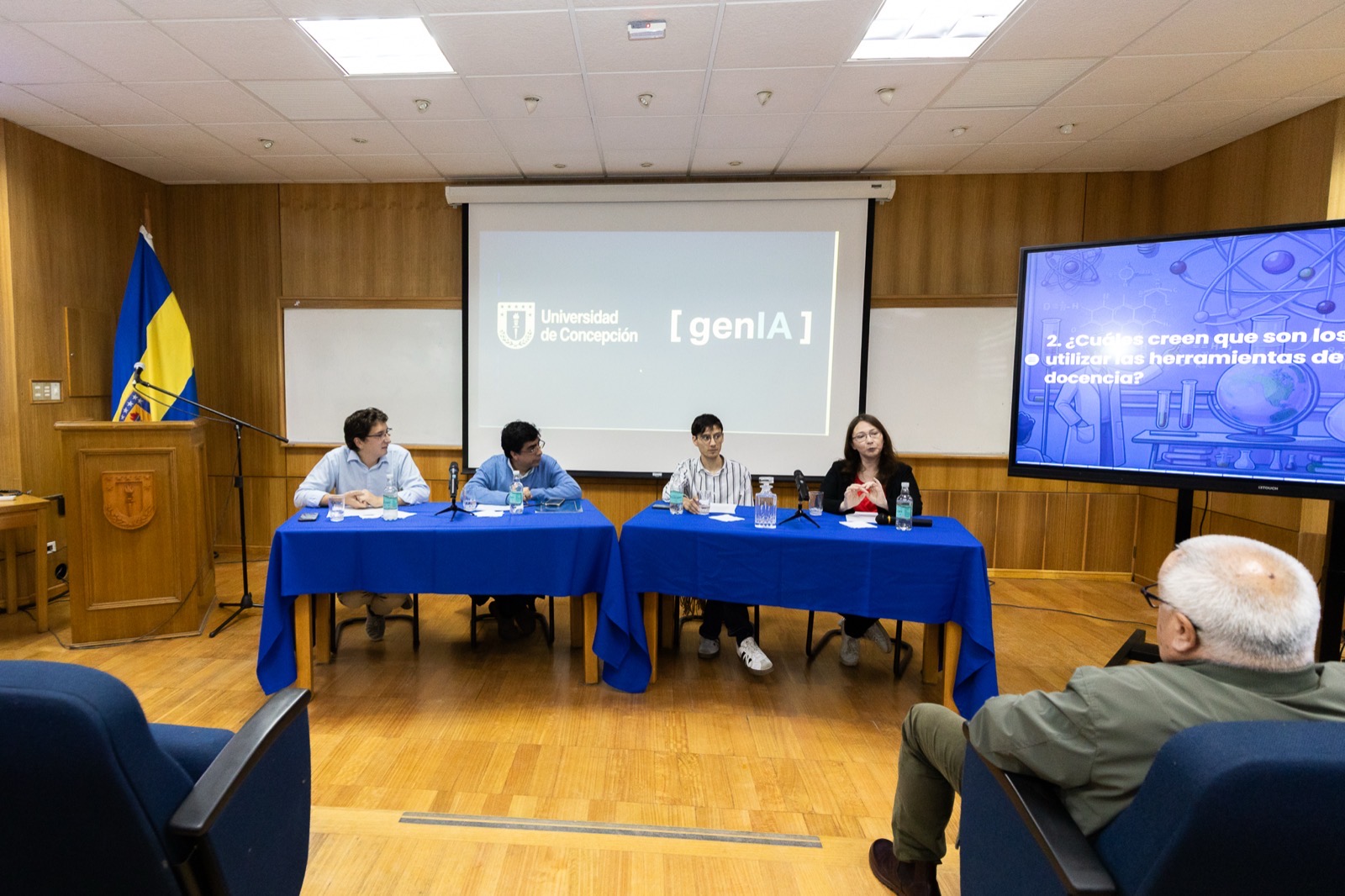
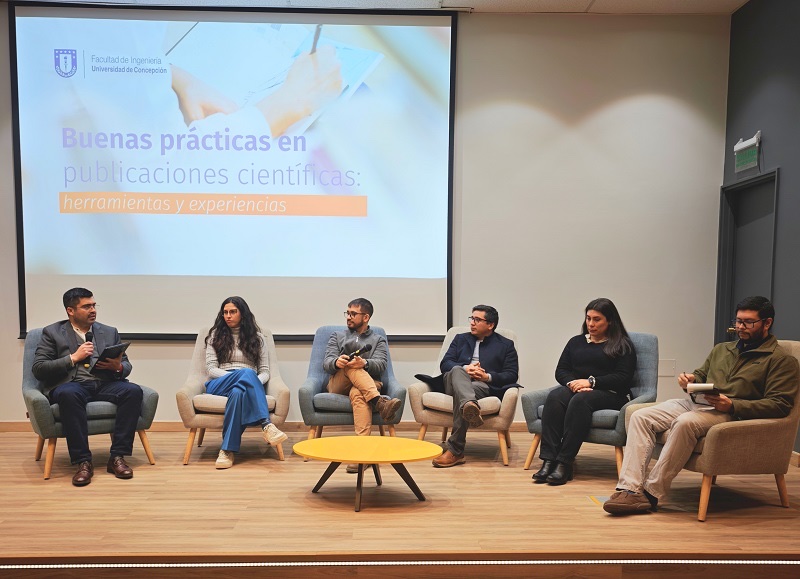
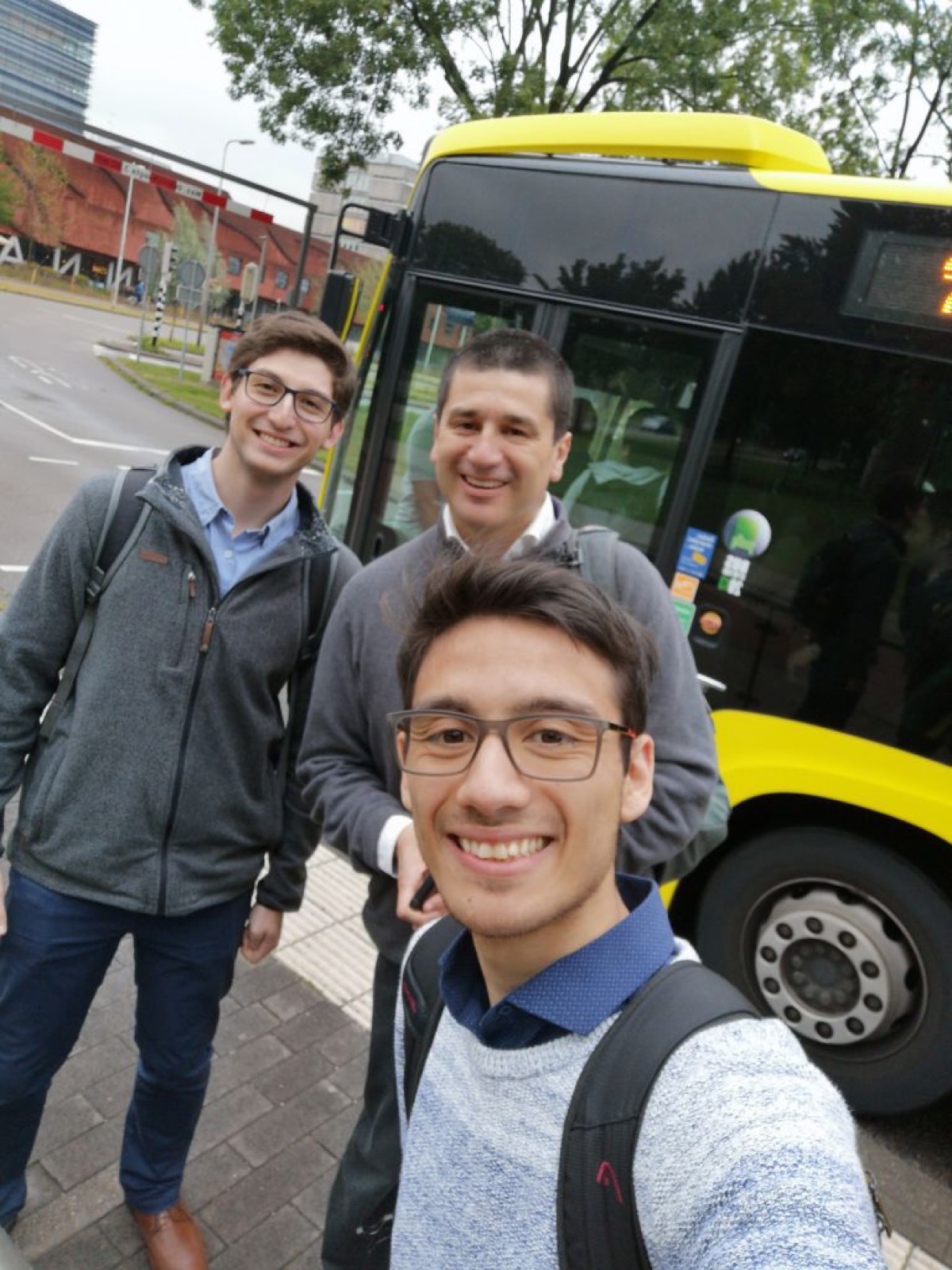
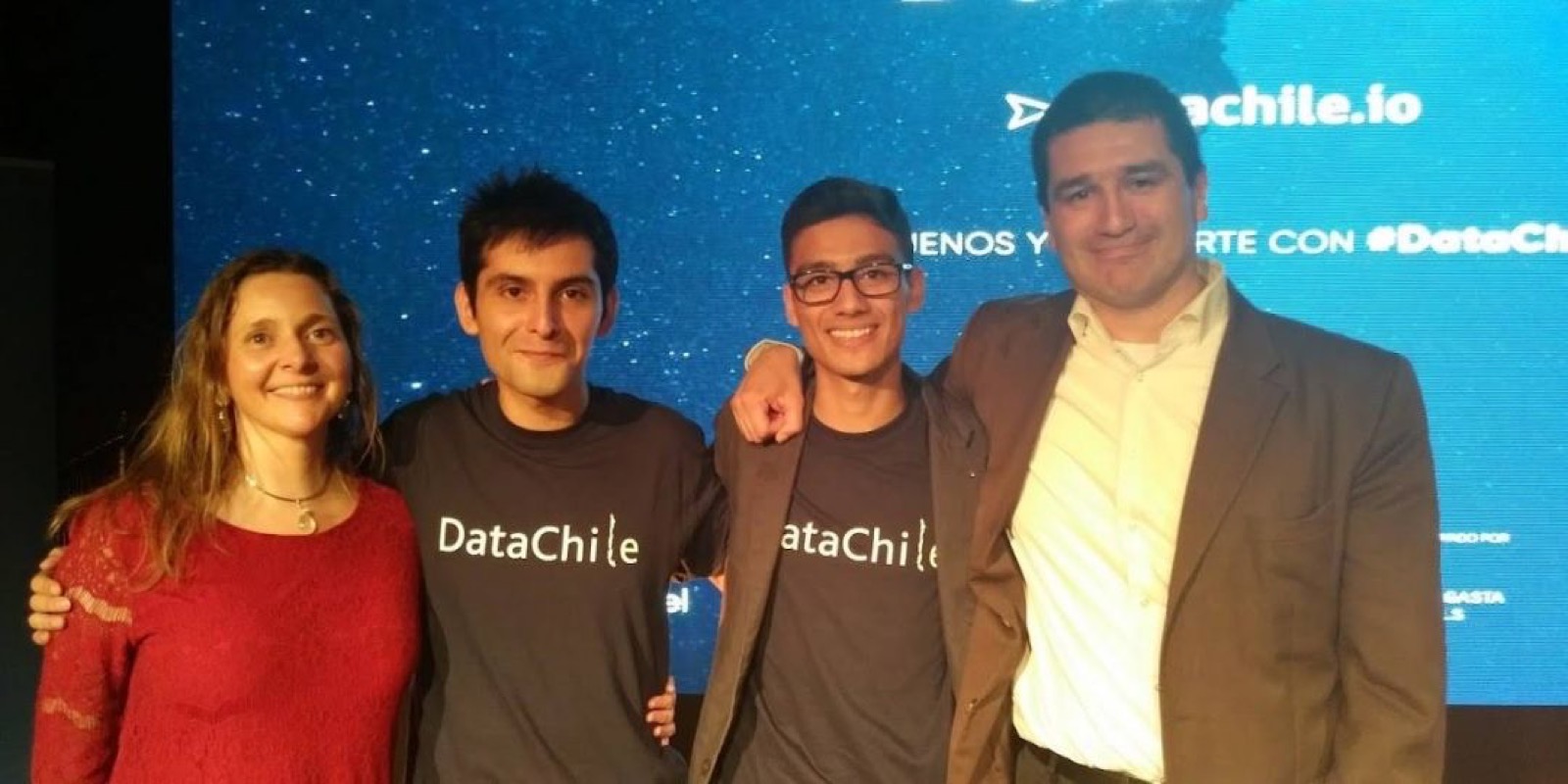
Ten years of launches, fieldwork, classrooms and conferences, and only a handful of pictures survived. If you have photographs from any of these projects, they are welcome here.
Send a photograph →How populations divide during elections, and how scientific and technological capabilities accumulate in places.
Taught with the same bias as everything above: advanced methods pointed at concrete problems.
Foundations and applications of generative models, up to what it takes to put one in front of real users without it falling over.
Visual communication from first principles, up to the single chart that has to change a decision.
Regression, PCA and clustering, applied end to end on real industrial-engineering data rather than clean textbook sets.
Interviews, talks, courses and things built, as the press and the university reported them.
Applied AI with industry or the public sector, research collaborations, or students looking for a thesis topic.
cnavarretel@udec.cl →